Event Planning in Little Rock, AR Starts with the Right Venue
To plan a successful event in Little Rock, Arkansas, you need to carefully consider numerous factors, but none is more crucial than selecting the perfect venue. Whether you're organizing a wedding, corporate gathering, birthday celebration, or family reunion, the right event space sets the foundation for an unforgettable experience that reflects your vision and accommodates your guests' needs.
Key Takeaways
- Weather considerations: Consider indoor and outdoor options or venues with backup plans for Arkansas weather variations
Understanding Little Rock's Event Venue Landscape
Little Rock offers diverse event venues, such as venues like Chenal Event Venue and facilities at the Arkansas State Fair Complex, with over 120,000 square feet of event space. The city has options ranging from intimate spaces accommodating 10 guests to large facilities hosting several hundred people.
Event venues in Little Rock typically include historic buildings with converted spaces featuring character and unique architectural features, modern event centers offering contemporary facilities with updated amenities and flexible layouts, and hotel venues providing properties with 5,500 square feet of event space. These include seven meeting rooms accommodating up to 200 guests, and outdoor pavilions taking advantage of Arkansas's natural beauty.
When exploring event spaces in Little Rock, consider the venue's reputation within the local community. Established venues often have relationships with preferred vendors, experienced staff familiar with local regulations, and proven track records of successful events. These connections can streamline your planning process and ensure that your special occasion is perfectly executed.
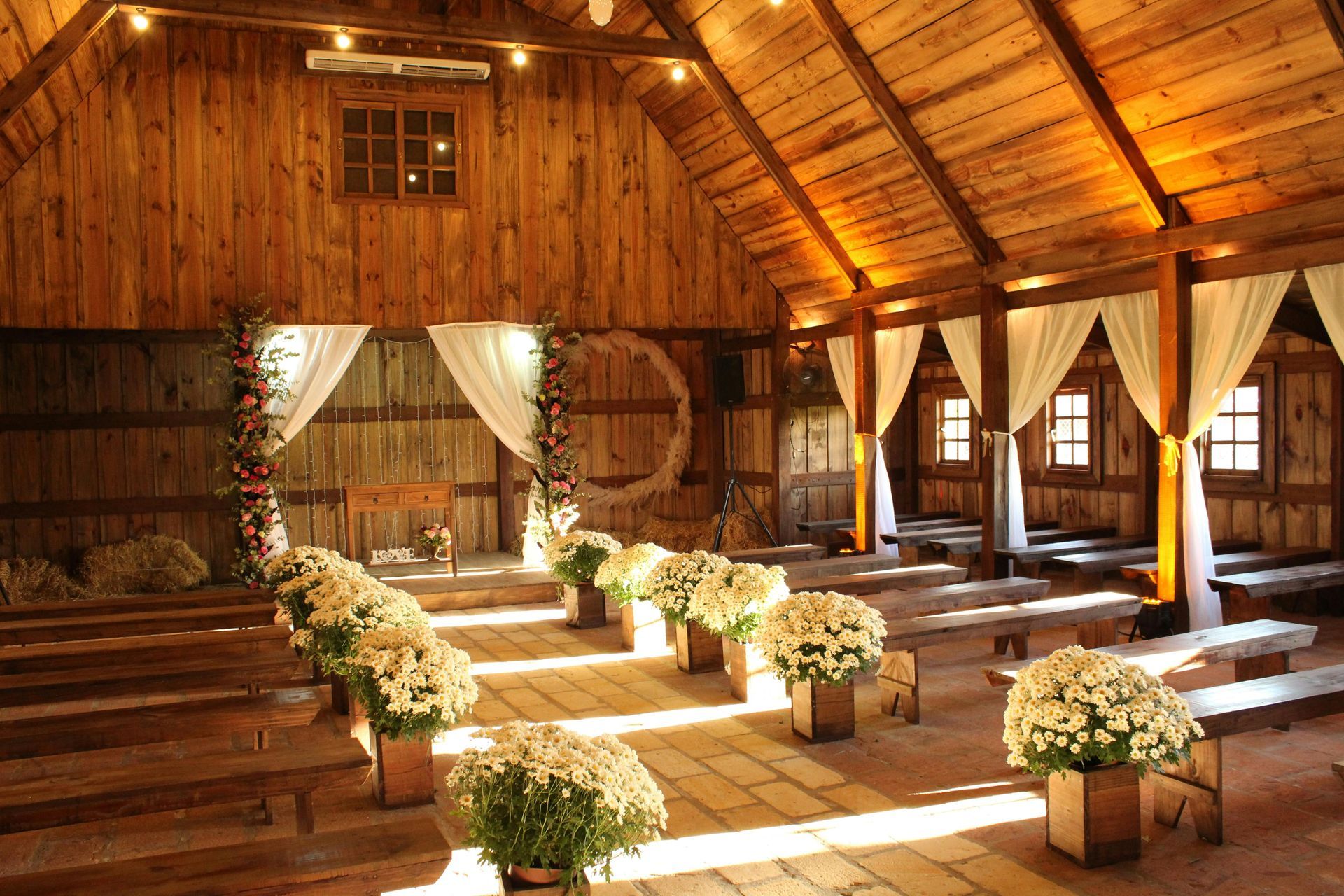
The diversity of Little Rock's venue options allows event planners to find spaces that match specific themes, guest counts, and budget requirements. From elegant ballrooms in downtown hotels to rustic barn venues in surrounding areas, the city accommodates various event styles and preferences.
Essential Factors for Venue Selection
Capacity and Layout Considerations
To determine the appropriate venue size, you need to do more than just simply counting your guest list. Consider the type of event you're hosting and the activities planned. A seated dinner requires a different space allocation than a cocktail reception with dancing and mingling areas.
Most event planners recommend venues that accommodate 10-15% more than your expected guest count. This buffer accounts for last-minute additions and ensures that guests don't feel crowded throughout the event. Review the venue's floor plans and ask about different setup configurations to maximize your space utilization effectively.
Key capacity considerations include seating arrangements, where round tables versus long tables affect space requirements differently, as well as dance floor space requiring approximately 3-4 square feet per dancing guest for comfortable movement, service areas accounting for registration tables and gift displays and catering stations, and circulation space ensuring comfortable movement between different activity areas.
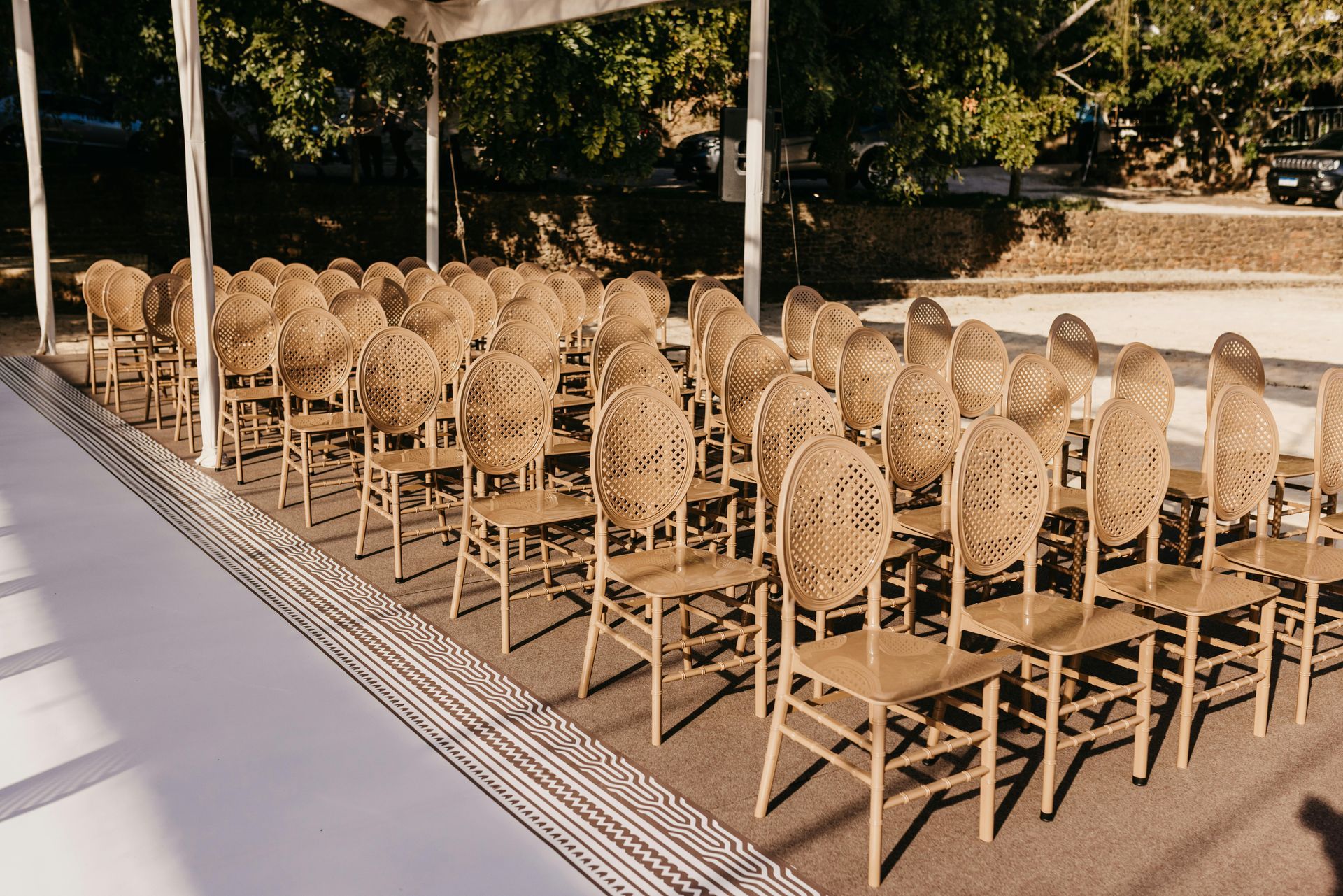
Understanding how various room layouts affect guest flow helps create a more enjoyable experience. Consider sight lines for presentations or ceremonies, accessibility for guests with mobility challenges, and proximity to restrooms and refreshment areas when evaluating venue layouts.
Location and Accessibility
The venue's location significantly impacts your event's success and guest experience. Consider the proximity to major highways, availability of public transportation, and ease of navigation for out-of-town guests who may be unfamiliar with the area. Venues located near hotels are convenient for guests traveling from distant locations.
More than 1,300 hotel rooms are conveniently located within a five-block radius of Little Rock's convention centers, making downtown locations particularly attractive for larger events requiring overnight accommodations. This concentration of accommodations simplifies logistics for multi-day events or celebrations with many traveling guests.
Parking availability is crucial for most events. Verify whether the venue provides complimentary parking and determine if the capacity meets your needs. Some venues offer valet services or have partnerships with nearby parking facilities for larger events requiring additional parking space.
Amenities and Services
Modern event venues often provide comprehensive service packages that can simplify your planning process considerably. These may include tables, chairs, linens, basic lighting, sound systems, and coordination services. Understanding what's included in your rental fee helps you accurately compare venue costs and avoid unexpected expenses.
Kitchen facilities and catering policies vary significantly among venues. Some venues have exclusive catering arrangements with specific providers, while others allow you to bring in outside caterers of your choice. Consider your catering preferences and budget when evaluating these options, as exclusive arrangements may limit flexibility but often provide streamlined service.
Many venues also offer setup and breakdown services, which can reduce stress on your event day and eliminate the need to coordinate volunteer help. Professional setup ensures proper arrangement of furniture and decorations, while breakdown services allow you to focus on enjoying your event rather than cleanup responsibilities.
Budget Planning for Event Venues
Wedding venues in Little Rock can cost anywhere from $1,500 to $15,000 or more, though pricing varies significantly based on venue type, guest count, and included services. Party venues in Little Rock average $111 per hour to rent, with specific pricing dependent on your requirements and chosen amenities.
Beyond the basic rental fee, consider additional expenses including service charges often ranging 18-22% of total venue costs, security deposits typically requiring 25-50% of the rental fee, overtime fees for events extending beyond contracted hours, and equipment rentals for additional tables, chairs, or specialized audio-visual equipment.
Compare pricing structures among different venues carefully. Some charge flat rates regardless of guest count, while others use per-person pricing that scales with attendance. Factor in what's included with each pricing model to make accurate comparisons between venues and avoid budget surprises.
Many venues require deposits ranging from 25% to 50% of the total cost to secure your preferred date. Understanding payment schedules helps with financial planning and ensures you can meet venue requirements without straining your budget.
Seasonal Considerations for Little Rock Events
Little Rock experiences a prolonged spring wet season, with heavy rainfall a distinct possibility from March to May. Meanwhile, August is the driest month with 2.93 inches of precipitation. Understanding these weather patterns helps inform your venue selection and event timing decisions.
Spring and autumn offer mild temperatures ranging from 60 °F to 80 °F, making them ideal seasons for outdoor events and celebrations. Summer in Little Rock is characterized by high temperatures averaging around 90°F and occasional thunderstorms that can disrupt outdoor activities.
Popular event months, which include April through June, offer pleasant weather. However, these months come with a higher venue demand and pricing due to peak wedding season. September through November provide comfortable temperatures with less rainfall, making them excellent for outdoor events. December through February features lower venue costs but potential weather uncertainties, including occasional ice storms that can affect travel.
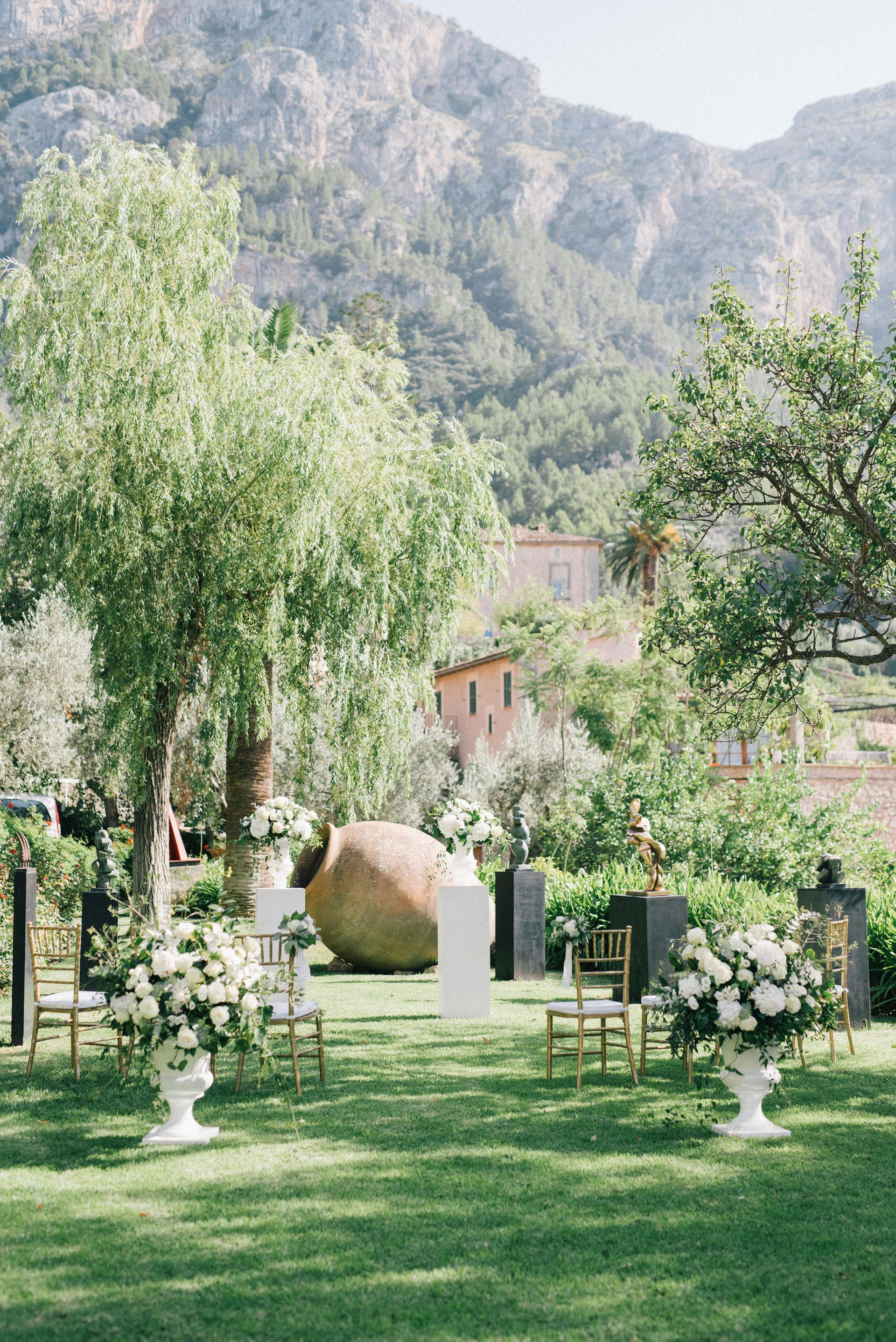
Indoor venues with outdoor options provide flexibility for weather-dependent events. Look for venues offering covered outdoor spaces, climate-controlled indoor alternatives, or seamless indoor-outdoor flow that accommodates various weather scenarios without compromising your event vision.
Technology and Modern Event Requirements
Today's events often require technological support for presentations, entertainment, and guest interaction. Evaluate venues' audio-visual capabilities, WiFi strength, electrical outlet availability, and technical support services to ensure they meet your event's specific needs.
Consider your event's specific technology requirements, including corporate events that require projection equipment, microphones, and reliable internet connectivity for presentations or live streaming, social events needing appropriate lighting for photography, quality sound systems for music and announcements, and device charging stations for guest convenience.
Hybrid events demanding live streaming capabilities and virtual attendance support have become increasingly common. Verify that venues can accommodate these modern requirements with adequate bandwidth, technical support, and appropriate lighting for video production.
Accessibility features ensure all guests can fully participate in your event regardless of physical limitations. Verify that venues comply with ADA requirements and offer features like wheelchair accessibility, accessible restrooms, and appropriate parking accommodations. These considerations are not only legally required but also demonstrate thoughtfulness toward all attendees.
Working with Venue Coordinators
Professional venue coordinators can significantly enhance your event planning experience. These experts understand their facility's capabilities, local vendor networks, and logistical requirements specific to their venue, making them valuable partners in creating successful events.
Discuss your vision, timeline, and specific requirements during initial venue tours. Experienced coordinators can offer valuable insights about setup logistics, including optimal room configurations for your event type, vendor coordination featuring recommended local providers and delivery procedures, timeline management providing realistic scheduling for setup and breakdown, and emergency procedures outlining backup plans for weather or other contingencies.
Document all agreements and arrangements in writing to protect both parties. This includes setup details, timing requirements, vendor coordination responsibilities, and emergency procedures. Clear documentation prevents misunderstandings and ensures all parties understand their responsibilities throughout the planning process and event execution.
Venue Tour and Selection Process
Schedule tours of multiple venues to compare options effectively and make informed decisions. Visit the venues during similar times of day when your event will occur to assess lighting conditions, acoustics, and overall atmosphere accurately.
Take photographs and detailed notes during each tour to help with later comparisons. Ask specific questions about policies, restrictions, and included services. Request portfolios and references from recent clients and inquire about the venue's experience with events similar to yours in size and style.
Understanding the venue's track record with your type of event helps ensure they can meet your expectations and handle any unique requirements. Review contracts carefully before signing, paying attention to cancellation policies, payment schedules, and any restrictions on decorations, vendors, or event activities.
Frequently Asked Questions
How far in advance should I book an event venue in Little Rock?
Popular venues typically require booking 6-12 months in advance, especially for peak season events. Corporate events and smaller gatherings may have more flexibility with 2-3 months' notice.
What questions should I ask during venue tours?
Inquire about capacity limits, included amenities, catering policies, cancellation terms, and additional fees. Also ask about parking availability, setup procedures, and vendor restrictions.
Can venues accommodate dietary restrictions and special needs?
Most professional venues can work with dietary requirements and accessibility needs when given advance notice. Discuss specific requirements during your initial consultation to ensure proper accommodations.
What happens if the weather affects my outdoor event?
Many venues offer backup indoor spaces or covered alternatives for outdoor events. Review the venue's weather contingency policies and understand your options before signing contracts.
Are there restrictions on decorations or vendors?
Venues often have policies regarding decorations, particularly wall attachments, open flames, and cleanup requirements. Some venues maintain preferred vendor lists, while others allow outside providers with restrictions.
Final Thoughts
Successful event planning in Little Rock, AR begins with thoughtful venue selection that aligns with your vision, accommodates your guests comfortably, and fits your budget parameters. Take time to visit multiple Little Rock event spaces, ask detailed questions about services and policies, and envision your event in each space before making your final decision. The right venue partnership provides the foundation for creating memorable experiences that exceed your guests' expectations and showcase the natural hospitality that makes Arkansas events special.
Ready to find your perfect event venue? Contact us today to schedule a consultation and explore how we can help make your Little Rock event truly memorable.
Reference:
https://www.arkansasstatefair.com/facilities/